
Here In today’s job market, talent moves quickly. A candidate can apply for a job in the morning, have an interview by afternoon, and accept an offer within days. Yet many companies still take weeks to acknowledge applications, schedule interviews, or provide feedback.
This growing gap between candidate expectations and recruitment reality poses a serious challenge for employers. While companies work hard to attract top talent, they often overlook one of the most important factors in hiring success: speed of communication.
The result? Qualified candidates lose interest, accept competing offers, or develop a negative view of the employer before the hiring process is even done.
The Rise of the Instant-Response Economy
Modern consumers expect immediate feedback. Whether ordering food, booking travel, or contacting customer support, replies often come in minutes instead of days.
These expectations naturally apply to the hiring process.
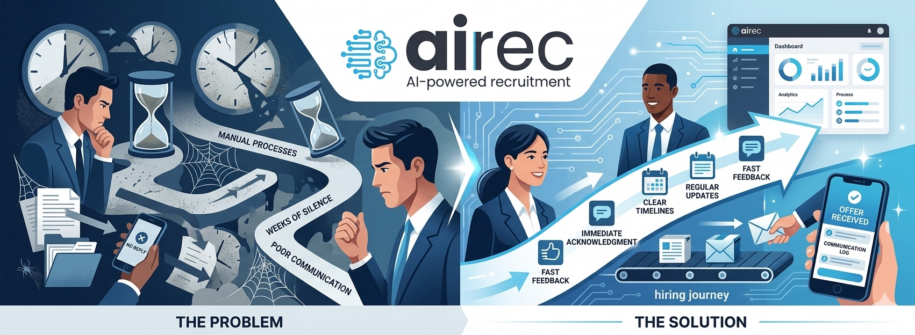
Candidates know that recruitment takes time, but they expect:
- Immediate confirmation that their application was received
- Clear communication regarding next steps
- Timely interview scheduling
- Regular status updates
- Prompt feedback after interviews
When companies do not provide these basics, candidates often see the organization as disorganized, inefficient, or disinterested.
Why Slow Recruitment Communication Is Costing Companies Talent
Many employers underestimate the impact of delayed responses. However, communication in recruitment plays a critical role in shaping candidate decisions.
Top Candidates Rarely Wait
The best professionals are usually in high demand. They often interview with multiple organizations at the same time.
When one employer takes weeks to respond while another sets up interviews within days, the outcome is clear. Fast-moving companies secure talent while slower ones miss out.
Every unnecessary delay increases the chances of losing high-quality candidates.
Candidate Experience Shapes Employer Reputation
Every interaction contributes to a company’s employer brand.
Candidates with poor communication experiences often share their stories with coworkers, professional networks, and online review sites. Negative recruitment experiences can affect future applicants and hurt the organization’s reputation in competitive talent markets.
Strong candidate experience is no longer optional; it is a business advantage.
Delays Create Uncertainty and Frustration
Job searching takes a lot of effort. Candidates spend time researching companies, customizing resumes, completing assessments, and preparing for interviews.
Weeks of silence after an application or interview create uncertainty and frustration. Even candidates who eventually get offers may start their employment journey with less confidence in the organization.
Inefficient Communication Increases Recruiter Workloads
Ironically, poor communication often adds more work for recruitment teams.
Candidates who don’t receive updates frequently send follow-up emails and requests for information. Recruiters waste time responding to status inquiries that proactive communication could have avoided.
Regular updates improve both efficiency and candidate satisfaction.
Why Many Organizations Continue to Struggle
Despite recognizing the importance of candidate experience, many companies still deal with communication challenges.
Common causes include:
Fragmented Hiring Processes
Recruitment often involves recruiters, hiring managers, department heads, and executives. Without clear ownership and accountability, communication delays become inevitable.
Manual Administrative Work
Organizations that rely heavily on spreadsheets, email chains, and manual workflows often struggle to maintain timely communication as application volumes rise.
Lack of Defined Response Standards
Many companies set hiring goals but do not establish communication benchmarks.
Questions such as:
- How quickly should applications be acknowledged?
- What is the maximum acceptable interview feedback delay?
- How often should candidates receive updates?
often remain unanswered.
Without measurable standards, communication delays become normal.
Candidate Communication Is Treated as a Secondary Priority
Internal meetings, approvals, and operational tasks often receive more attention than candidate updates.
Unfortunately, candidates see silence as a reflection of the organization’s culture and professionalism.
What Effective Recruitment Communication Looks Like
Improving candidate experience does not require immediate hiring decisions. It requires consistency, transparency, and responsiveness.
Successful organizations typically focus on several key practices:
Immediate Application Acknowledgment
Automated confirmation messages reassure candidates that their application has been received and entered into the recruitment process.
Transparent Hiring Timelines
Candidates should understand:
- Recruitment stages
- Expected timelines
- Interview processes
- Decision-making schedules
Clear expectations reduce uncertainty and improve engagement.
Regular Progress Updates
Even when there is no final decision, candidates appreciate knowing their status.
Simple updates maintain trust and show professionalism.
Faster Interview Feedback
Candidates put in significant effort during interviews. Prompt feedback shows respect for their time and helps maintain momentum in the hiring process.
Professional Rejection Communication
Not every candidate will get an offer, but every candidate deserves closure. Respectful rejection communication enhances employer branding and maintains positive relationships for future opportunities.
Technology Alone Is Not Enough
Modern recruitment platforms, automation tools, and applicant tracking systems can greatly improve communication efficiency.
However, technology is only part of the solution.
Organizations that excel in candidate experience combine automation with human engagement. Automated updates provide consistency, while recruiters offer the personal touch that candidates value.
The best hiring strategies balance both
The Competitive Advantage of Faster Responses
In highly competitive talent markets, salary and benefits are not always the deciding factors.
Candidates assess employers based on the overall recruitment experience.
Fast responses show professionalism.
Clear communication builds trust.
Regular updates demonstrate respect.
These seemingly small actions often decide whether exceptional candidates stay engaged or choose another opportunity.
The organizations that attract the best talent are not always the largest or most well-known. They are often those that communicate clearly, move quickly, and respect candidates throughout the hiring journey.
Final Thoughts
Candidate expectations have changed dramatically, but many recruitment processes have not kept up.
Slow communication causes frustration, weakens employer branding, and leads organizations to lose valuable talent to quicker competitors.
Companies that prioritize candidate experience through timely recruitment communication gain a significant edge in attracting and keeping top talent.
In modern hiring, responsiveness is not just a courtesy; it is a competitive necessity.
Transform Your Recruitment Communication with Airec
Modern hiring requires speed, transparency, and an exceptional candidate experience. With AI-powered recruitment solutions from https://airec.io/demo/ , organizations can streamline hiring workflows, automate candidate communication, reduce response times, and create a more engaging recruitment journey from application to onboarding.
Ready to improve your candidate experience and hire top talent faster? Visit Airec today and discover smarter recruitment.
Leave a Reply